


Introduction to Difficult Conversations
Difficult Conversations Training: Communicate With Confidence, Empathy and Clarity
Learn to manage difficult conversations with empathy and confidence. This practical workshop teaches professionals how to deliver bad news, give feedback, and communicate clearly under pressure.
“Body Talk helped me turn a conversation I’d been dreading into a turning point for my team. The structure and techniques gave me the confidence to stay calm, composed, and clear.”
Senior Manager, Global Pharmaceutical CompanyAbout the training
Every leader, manager, and professional faces moments when the message is hard to deliver. It might be a performance review, a restructuring announcement, or a conversation that carries real emotional weight. These moments test your composure and define your credibility.
When handled poorly, difficult conversations can lead to confusion, defensiveness, and broken trust. When handled well, they build respect, strengthen relationships, and create a culture of openness and empathy.
Our Difficult Conversations Training gives you the mindset, tools, and language to manage high-stakes communication calmly and effectively. You’ll learn a simple, science-backed approach to stay composed, listen with empathy, and guide others through even the most challenging discussions, including how to deliver bad news with confidence and care.
Common Challenges You Can Overcome
Many professionals are asked to handle sensitive conversations without being shown how. It’s easy to fall into habits that make things harder, for you and the other person.
Do any of these sound familiar?
- You rush through the message because you’re uncomfortable with emotion.
- You soften the truth to protect the other person and the message gets lost.
- You fill the silence instead of giving people time to process.
- You try to sound strong but end up sounding detached or defensive.
- You carry the weight of the conversation long after it’s over.
These are normal reactions, but they’re avoidable. With the right mindset and approach, you can manage difficult conversations in a way that preserves trust, clarity, and respect.
Why This Matters
Difficult conversations are unavoidable but they don’t have to be damaging. Whether it’s delivering bad news, discussing performance, or communicating change, the way you handle these moments shapes trust, morale, and culture.
Most people react instinctively — rushing, avoiding, or over-explaining — which only fuels tension and confusion. With the right tools and structure, you can stay calm, communicate clearly, and create understanding even when emotions run high.
Handled well, difficult conversations become turning points: moments that deepen trust, inspire confidence, and strengthen relationships.
Originally developed from techniques used by healthcare professionals, this training combines the precision of clinical communication with the empathy and clarity needed in leadership.
Module 1
Difficult Conversations
This equips you a clear, science-backed approach for handling high-stakes or emotionally charged conversations with confidence, empathy, and composure; such as delivering bad news, giving feedback, or leading through change. Participants learn how to prepare effectively, regulate their emotions, listen with presence, and communicate with clarity so messages land honestly without causing unnecessary defensiveness or confusion. By understanding the psychology behind how people respond under pressure and practising tools for calm, credible delivery, individuals build the skills to turn difficult conversations into moments that strengthen trust, deepen relationships, and reinforce a culture of openness and respect.
Module 2
Questioning & Listening Skills
Learn how to ask open questions that build genuine connection and adapt what you say to meet people where they are. It’s a powerful way to encourage understanding, drive de-escalation, and create conversations that move things forward.
Training methods
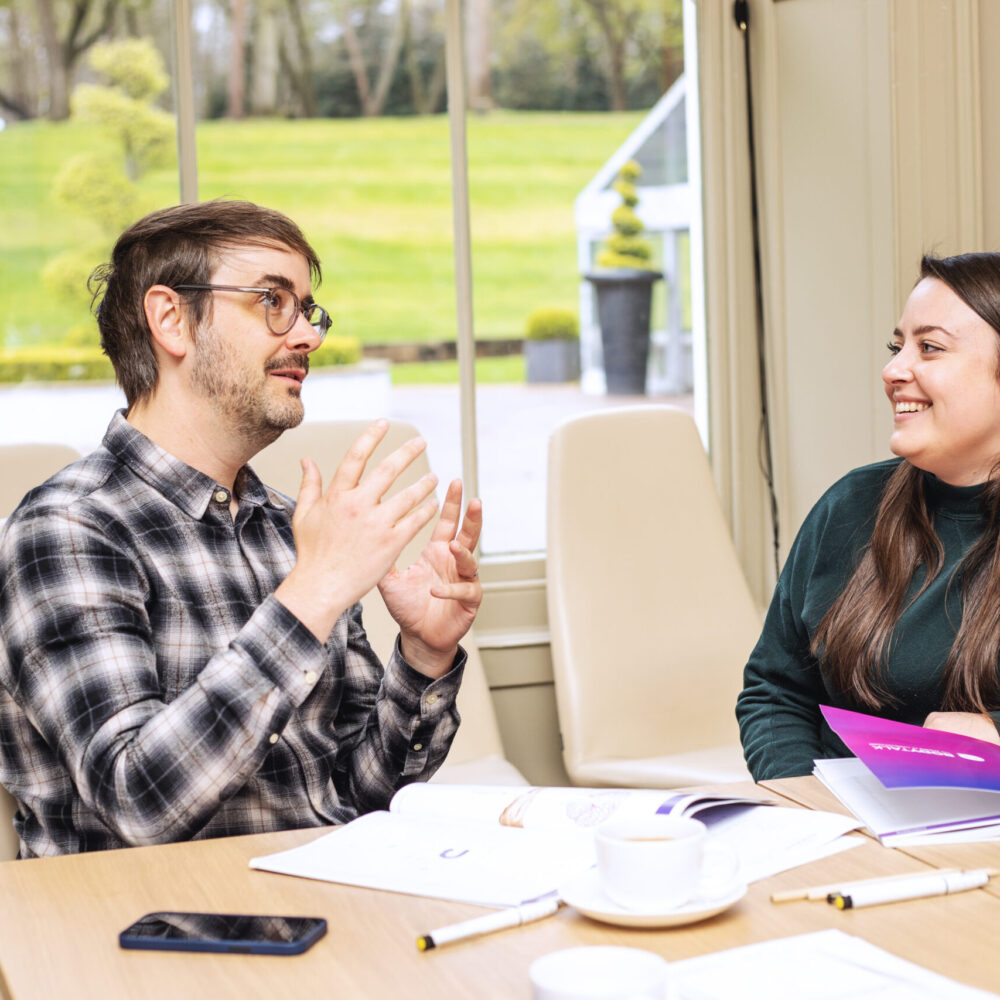
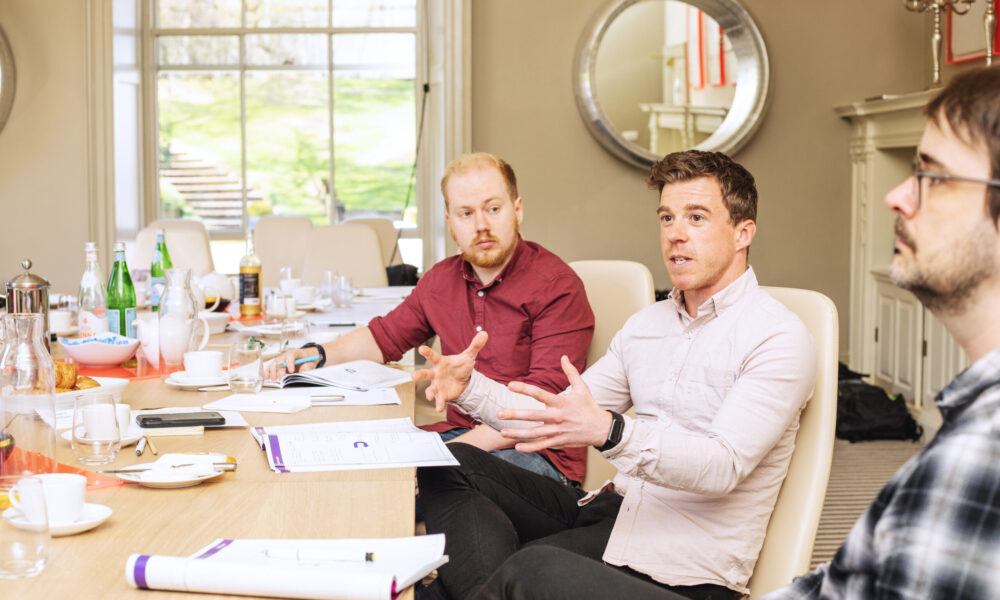
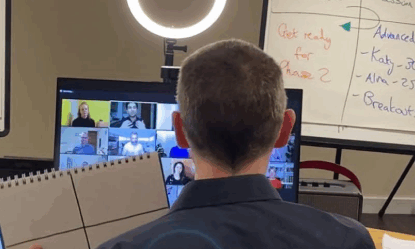
Body Talk’s advanced skills training is available a number of formats. Our expert team will work with you to establish the best approach for your team’s needs.

Meet your coaches
Communication specialists drawing from a wealth of techniques and experience in broadcasting, journalism, national television and theatre.
-
Alina Jenkins
Award-Winning BBC Presenter, Radio & Podcast Host and Executive CoachAlina Jenkins is an award-winning BBC presenter & broadcaster with a background in communicating science. She is also a keynote speaker, executive coach and hosts our podcasts.

-
Charlie Evans
Psychotherapist, Actress & Voice-Over ArtistCharlie studied acting in both London and New York and is an accomplished and accredited, trained actress. She is also a qualified and inspiring psychotherapist tailoring therapy and coaching to the individual client, integrating the affective, behavioural, cognitive and psychological systems to gain insight and understanding of one’s issues.

-
Jamie Richards
BBC TV Actor, MBTI Practitioner and Executive CoachFollowing 20 years as a professional actor, Jamie delivers leadership training, team development and executive coaching.

-
Chetan Pathak
BBC Sport & News Presenter, Audiobook NarratorChetan is an award-winning Broadcast Journalist, with over 15 years experience working for the BBC across television and radio.

-
Jennifer Bartram
Award-Winning BBC TV & Radio PresenterJennifer is a multilingual TV and radio presenter who is passionate about language and communication.

-
Maisanna Bezizi
Language Coach for Business, TV & FilmMaisanna specialises in communication skills training for international clients in the business and medical worlds. She speaks English, Spanish, Arabic, Italian and French.

-
Mark Seddon
Actor & Voice-Over ArtistMark has been a professional actor for almost 20 years. Since training at the Royal Central School of Speech and Drama, he has performed on stage in West End shows including The Woman In Black and has toured internationally.

Frequently Asked Questions
Have any questions? We’re here to help
Can I customise my training to include multiple courses?
We are happy to build a training solution that fits your time, budget, and goals.
How do I prepare for a training session?
We’ll handle the details so you can focus on the impact. Our Client Services team will confirm all timings, logistics, and tech needs ahead of the event.
What happens after I complete a training session?
We provide detailed workbooks for the training and encourage delegates to fill them in and refer to their notes regularly after the session. We also have a suite of blogs, podcasts and videos to support the learning.
What is included in with On-Demand training?
You’ll have access to your training instantly, anywhere in the world, at any time for a 3-month period, along with a digital PDF workbook to download. We also include an audiobook with 7 hours of additional content to deepen your learning.
What is the difference between one, two and three-day courses?
Simply, additional modules and learning plus more coaching time. We understand that time and budget are sometimes limited, so we offer one-day courses to provide a valuable foundation. Adding on additional days allows you to dive deeper into communication and presentation skills through advanced body language and managing difficult conversations to questioning, listening, and peak performance mindset. We are happy to tailor the training to meet your budget, time and goals.
What is the ratio of trainers to learners?
This depends on the type of training you’re looking at. For group training, our ratio is typically one trainer to four delegates; this allows for plenty of individual coaching and feedback. Our masterclasses are generally hosted by one presenter and up to 100 people.












 Back
Back