 10 min read 2nd Jan 2026
Hi, my name’s Jen. I’m a communication skills trainer and TV presenter. I’m also an introvert.
And no, those things aren’t contradictory – and I’m going to explain exactly why.
People often have misconceptions about introverts. They assume we’re shy, standoffish, disengaged in meetings, or not interested in leading. But those assumptions can really hold businesses back.
When you make judgements based on someone’s preferences – whether they’re quiet, energetic, or somewhere in between – you risk overlooking thoughtful ideas, creative solutions and a whole different way of approaching problems. That’s a lot of potential left on the table.
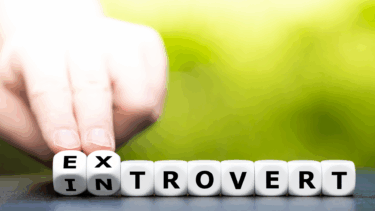
Every January 2nd, World Introvert Day gives us a chance to really understand and rethink introversion. It’s not about being shy, awkward, or antisocial – it’s about how we manage energy. Introverts typically recharge through quiet time, reflection, and meaningful conversation rather than constant social interaction. In workplace cultures that often reward fast talkers and group brainstorming, that difference matters.
What Is an Introvert?
Before we talk about communication and workplace culture, it helps to define what introversion means – and what it doesn’t.
Introversion and extroversion are about how people recharge and gain their energy. An introvert is someone who gains energy from time spent alone or in low-stimulation environments.
Introversion is not about how confident, social or capable someone is. Introverts often prefer thinking before speaking, processing information internally, and engaging in conversations thoughtfully rather than filling silence for the sake of it.
There are a few common traits many introverts may share (remembering that no two introverts – or people – are the same):
- They feel most focused during quiet, uninterrupted work.
- They communicate best when they’ve had time to think things through.
- They enjoy meaningful one-on-one or small group conversations.
- They may need breaks between meetings or social interactions to reset.
That said, introversion exists on a spectrum. Some introverts are naturally outgoing, enjoy presenting, or love being around people – they just can’t do it endlessly. Others are more reserved, reflective, and private. Both are valid.
Crucially, introversion is not the same as shyness or anxiety. It also doesn’t mean that introverts have poor communication skills or a lack of enthusiasm for teamwork. Many introverts are excellent communicators and leaders; they simply express themselves differently, often with intention, clarity, and depth.
As an introversion-preference trainer and presenter, I find that I’m able to perform well when presenting. I can be charming, energetic and motivating – I just need time afterwards to be a bit quieter and to regroup. I find that time really benefits me – whether that’s time in meetings to decide what my opinion is or time on creative projects to sit back and process my ideas.
Understanding introversion as an energy preference rather than a personality flaw helps workplaces communicate more effectively and create environments where different styles can thrive.
What Percentage of People Are Introverts?
There are various studies and schools of thought around introversion in society. While it can differ between countries and cultures, most estimates suggest that between around 30-40% of the population are introverts. There’s a similar percentage for extroverts (30-40%) and, as it’s a spectrum, many people actually find themselves somewhere in the middle, as ‘ambiverts’.
There are many high-profile introverts from a range of different fields. In the world of politics, US President Barack Obama famously described himself as an introvert who learned extrovert skills, whilst Angela Merkel was known for her reserved and introverted leadership style. Harry Potter star Emma Watson has openly said that she’s an introvert who needs alone time to recharge. Adele and Lady Gaga both have tremendous gravitas on stage, but talk about feeling drained by crowds or purposefully avoiding social situations.
Misconceptions About Introverts at Work
One of the biggest misconceptions is that introverts don’t like people. In reality, introverts often form strong, loyal professional relationships. They simply prefer fewer, deeper interactions instead of lots of surface-level communication.
Another common myth is that introverts lack confidence or leadership potential. In truth, introverts frequently lead through quiet influence, thoughtful planning, and steady decision-making. Many introverts excel at reading the room, choosing words carefully, and staying calm under pressure, which are all valuable leadership traits.
And finally, introverts are sometimes assumed to be disengaged in meetings because they don’t always speak immediately. Very often, they’re processing information. They might need a moment to reflect before sharing, which can lead to ideas that are more considered and creative.
I have had this experience as an introvert, with a boss recently telling me that I was ‘hard to read’ in meetings. It’s probably true, but not because I’m hiding anything – I quite often don’t know what I think about something until I have had a little bit of time to organise my thoughts!
Supporting Introverts on Your Team
Good communication culture shouldn’t favour one personality type over another. A good team should consist of a spectrum of energy and communication types.
However, there are a few simple adjustments which can help introverts contribute at their best:
- Share agendas or questions in advance so people can think before they talk.
- Invite contributions in different formats – written ideas, follow-ups after the meeting, or one-to-one conversations.
- Protect quiet focus time by reducing unnecessary meetings or interruptions.
These support systems aren’t just “introvert-friendly”; they benefit everyone by encouraging clarity, preparation, and thoughtful decision-making.
Managing Time and Energy as an Introvert
If you’re an introvert navigating a busy workplace, intentional energy management can make a huge difference.
Start by paying attention to when you feel most focused and when you start to feel drained. If your best thinking happens in the morning, block that time for deep work. After a big presentation or team call, schedule a short break – even a few minutes alone can help you reset.
It can also be helpful to choose how and when you communicate. Saying, “Let me take a minute to think about that,” or “I’ll follow up in writing,” is not only acceptable, it’s often appreciated because it leads to clearer responses.
Small habits – stepping outside between meetings, turning off notifications for an hour, keeping headphones handy – allow introverts to recharge throughout the day without disappearing or disengaging.
Communicating Your Energy Needs at Work
One really useful skill for introverts is being able to describe your energy type to managers and colleagues. You don’t need to announce “I’m an introvert!” every time you join a meeting, but letting people know how you work best can make a huge difference.
This might look like saying, “I contribute more effectively when I’ve had a chance to look over things first,” or “After client calls, I like to take 10 minutes to regroup before diving into something new.” It’s simple, professional, and gives others a clear understanding of how to support you.
Being upfront about your working style helps to set expectations. Most people want to collaborate well; they just don’t always know what you need unless you tell them. And the bonus? You model psychological safety. When you’re able to talk openly about how you communicate and manage energy, it encourages others to share what works best for them too. That’s how teams become more thoughtful, more effective, and more human to work with.
Find Out More
World Introvert Day is a great opportunity for workplaces to recognise different communication and energy styles to enable teams to become more balanced and thoughtful. Introverts bring strengths such as listening, reflection, and calm focus – qualities that help businesses make smarter decisions and communicate with intention.
Supporting introverts doesn’t require big policy changes, just a little curiosity and respect for different ways of working. If you’d like to learn more about how you can facilitate meetings and presentations – either to be more introvert-friendly or as an introvert yourself – then get in touch with us today.
And if you’re an introvert yourself, remember you don’t have to become louder to be effective (introverts can breathe a collective sigh of relief right now). You simply have to learn how to protect your energy and use your natural strengths with confidence.











 Back
Back